


We only use functional cookies for the operation of the webshop. For optimal functioning, please click on accept.
Safe media transfer
The correct hose helps prevent leakage, pressure loss and premature wear in hydraulic and industrial systems.
Reliable solutions for safely conveying oil, air, water and other media in hydraulic, pneumatic and industrial systems.
Hoses and hose fittings are essential components in many technical systems. The hose conveys the medium, while the fitting provides a secure, leak-free connection to machinery, components or pipework. Correctly matching the hose, fitting and ferrule is essential for reliable operation and a long service life.
Leeuwtechniek supplies hydraulic, industrial, pneumatic and cleaning hoses, together with hose fittings, protective products and related accessories. The correct choice depends on the medium, working pressure, temperature, bend radius, environmental conditions and required connection.
The correct hose helps prevent leakage, pressure loss and premature wear in hydraulic and industrial systems.
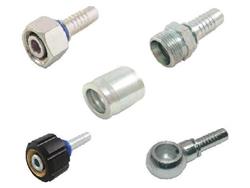
Hose fittings connect hoses to pumps, cylinders, valves, machinery and other components.
Hoses are often used where rigid pipework does not provide sufficient freedom of movement. They can absorb vibration, accommodate movement and connect components that move relative to one another.
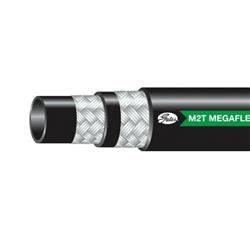
Designed to convey pressurised hydraulic oil in mobile and industrial systems.
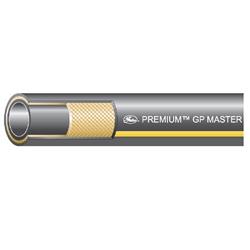
Suitable for media such as air, water and light oils, subject to the product specifications.
Used for compressed air, control and automation in pneumatic systems.
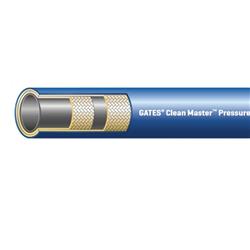
Designed for high-pressure cleaning, industrial cleaning and other demanding applications.
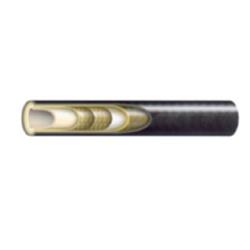
Suitable for systems involving high working pressures and heavy mechanical loads.
Designed for assembly without removing the outer cover, provided they are used with compatible fittings.
Suitable for suction and delivery applications and available in larger bore sizes.
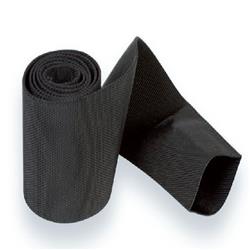
Protects hoses against abrasion, kinking, heat and mechanical damage.
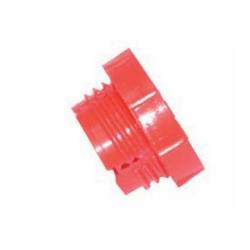
Protect open hoses and fittings against dirt, dust and moisture during storage and assembly.
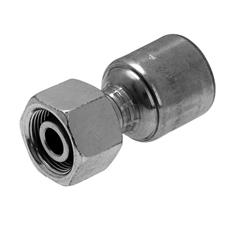
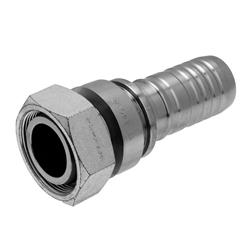
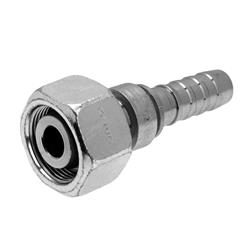
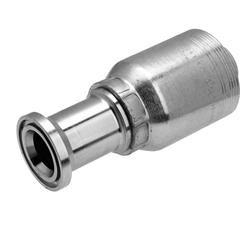
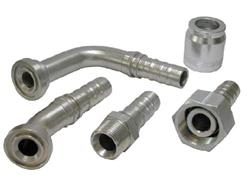
Hose fittings form the transition between a flexible hose and a fixed hydraulic or industrial component. The fitting must be compatible with the hose construction, pressure rating, connection and assembly method.
Permanently attached to the hose using a crimp ferrule.
Suitable for rapid assembly in specific low-pressure and pneumatic systems.
Mechanically installed and suitable for specific hose types.
Used for larger bore sizes and high-pressure applications.
Common connection types in hydraulic systems.
Suitable for water, air and general industrial applications.
A hydraulic hose generally consists of an inner tube, one or more reinforcement layers and an outer cover. The inner tube must be compatible with the medium. The reinforcement withstands system pressure, while the outer cover protects against abrasion, weathering and mechanical damage.
| Component | Function | Key consideration |
|---|---|---|
| Inner tube | Conveys the medium | Chemical and thermal compatibility |
| Reinforcement layer | Withstands system pressure | Working pressure, pressure surges and fatigue |
| Outer cover | Protects the hose | Abrasion, heat, ozone and environmental exposure |
An undersized hose increases flow velocity and pressure drop. This can generate heat and reduce system efficiency. An oversized hose may be unnecessarily heavy, expensive and difficult to install.
Select the hose diameter based on the required flow rate, line length, medium and function of the line. Suction, pressure and return lines may each require a different flow velocity.
Every hose has a minimum bend radius. Bending the hose more tightly can damage the reinforcement and cause premature failure. Do not install a hose under tension between two connection points, and avoid sharp bends immediately behind the fitting.
Allow for movement, pressure changes and changes in length during operation. Where necessary, use elbow adaptors, hose guides or additional length to install the hose without stress.
A reliable hose assembly starts with clean components and the correct combination of hose, fitting and ferrule. Follow the manufacturer's assembly data and crimping specifications. An incorrect crimp diameter can cause leakage, fitting ejection or hose damage.
After assembly, check the hose length, alignment, crimp diameter and condition. Clean the inside of the assembly where the application demands a high level of system cleanliness.
Hoses are wear components. Replace a hose if you identify damage, leakage, blistering, significant ageing or deformation. Do not wait until the hose fails completely.
Consider the working pressure, medium, temperature, internal diameter, bend radius, connection type and environmental conditions.
In a non-skive system, the hose's outer cover does not need to be removed before assembly, provided the correct hose and fitting are used together.
Only if the manufacturer expressly permits it. The hose, fitting and ferrule must be designed and approved to work together as a system.
Replace it if there is leakage, cracking, abrasion, deformation, fitting corrosion or visible damage to the reinforcement.
A bend radius that is too small places excessive stress on the reinforcement and can significantly shorten the hose's service life.
Keep all components sealed, clean the hose after cutting or processing, and use protective plugs and caps.
Leeuwtechniek supplies hoses, hose fittings, ferrules, protective products, plugs, caps and related hydraulic components for a wide range of applications.
Always consult the product specifications and assembly data. If you are unsure about working pressure, material, fitting, crimp dimensions or application, Leeuwtechniek can help you select a suitable combination.
Hoses and fittings for reliable fluid and air transfer.
Explore hydraulic, cleaning, pneumatic and multipurpose hoses, matching hose fittings and protective products for safe, reliable hose assemblies in mobile equipment and industrial applications.