


We only use functional cookies for the operation of the webshop. For optimal functioning, please click on accept.
Hydraulic tubes
Reliable tube runs start with the right hydraulic tubing
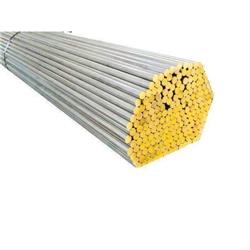
Seamless hydraulic tubing provides a compact and durable solution for rigid fluid lines in machinery, vehicles and industrial systems. Correct selection depends on the operating pressure, pressure peaks, flow rate, temperature, fluid, tube dimensions, material, surface finish and connection system.
Hydraulic tubing carries pressurised fluid between pumps, valves, actuators and other system components. Compared with most hose assemblies, rigid tubing offers stable routing and relatively low volumetric expansion. It can also be routed accurately along a machine frame and is particularly suitable where the line is not required to move during operation.
Leeuwtechniek supplies seamless precision tubing in carbon steel and stainless steel for hydraulic and industrial applications. Always check the technical data for the selected item: dimensions and material alone do not determine whether a tube is suitable for a particular working pressure or fitting system.
Rigid hydraulic lines
A space-efficient solution for fixed line runs where accurate routing, mechanical stability and controlled expansion are important.
Precision dimensions
Controlled outside diameter and wall thickness support reliable bending and assembly with compatible hydraulic tube fittings.
Typical applications
- Hydraulic power units
- Mobile hydraulic equipment
- Agricultural machinery
- Construction equipment
- Machine building
- Commercial vehicles and transport equipment
- Industrial installations
- Marine and offshore systems
For moving joints, large relative movements or areas that require flexible routing, a correctly specified hydraulic hose assembly is generally more suitable. Rigid tubing is intended primarily for fixed sections of the system.
Available tube types and finishes
Carbon-steel tubing
Seamless cold-drawn precision tubing in grades such as E235+N and E355+N, depending on the selected size and product specification.
Electro-zinc-plated tubing
A plated carbon-steel version that offers additional surface protection during storage, installation and service.
Phosphated tubing
Carbon-steel hydraulic tubing with a phosphated surface, often described as black hydraulic tubing.
Stainless-steel tubing
A corrosion-resistant option for demanding environments. Selected products are available in stainless steel 316Ti / 1.4571.
EN 10305 tubing
Selected carbon-steel products are supplied to EN 10305-4 and EN 10305-1. Check the individual product page for the exact standard, grade and delivery condition.
Inspection documents
EN 10204 type 3.1 inspection documents are available for the range. Confirm availability for the selected item and order when traceability is required.
Benefits of correctly specified hydraulic tubing
- Compact and accurate line routing
- Stable installation on fixed machine sections
- Relatively low volumetric expansion
- Can assist heat transfer to the surroundings
- Suitable for repeatable production assemblies
- Long service life when correctly installed
- Compatible with suitable 24-degree tube fittings
- Available in several materials and finishes
Important: pressure capability is not determined by outside diameter alone. Tube grade, wall thickness, manufacturing standard, temperature, corrosion allowance, connection system and applicable design rules must all be considered. The permissible pressure of the complete assembly is limited by its lowest-rated component.
Outside diameter, wall thickness and bore
Hydraulic tube fittings are normally selected by the exact tube outside diameter and the applicable fitting series. Wall thickness affects the tube bore, mechanical strength and compatibility with the fitting system. The bore influences fluid velocity and pressure loss.
| Tube property | Why it matters | Check before ordering |
|---|---|---|
| Outside diameter | Determines fitting, clamp and tooling size | Use the exact metric outside diameter specified for the system |
| Wall thickness | Affects strength, stiffness, bore and fitting compatibility | Verify the allowable working pressure and fitting manufacturer's limits |
| Inside diameter | Affects flow velocity and pressure drop | Size the line for the required flow and its function in the circuit |
| Material and finish | Affect corrosion resistance, strength and assembly requirements | Check fluid, temperature, environment and material compatibility |
How to select hydraulic tubing
- Establish the maximum working pressure, pressure peaks and temperature range.
- Check compatibility with the hydraulic fluid and external environment.
- Determine the required flow rate and an appropriate internal bore.
- Select the tube outside diameter, wall thickness, grade and surface finish.
- Verify the applicable manufacturing standard and inspection requirements.
- Confirm compatibility with the chosen fittings, clamps and assembly tooling.
- Allow for the specified bend radius and minimum straight tube ends.
- Design supports for pressure pulsation, vibration and external loads.
- Apply all relevant system, machine and fitting-manufacturer instructions.
Bending hydraulic tubing
Use a tube bender and tooling intended for the selected tube material, outside diameter and wall thickness. Follow the minimum bend radius specified by the tube, tooling and fitting-system manufacturer. An excessively tight bend can cause ovality, wall thinning, wrinkling or a restricted bore.
Leave the required straight length at each tube end so the fitting can be assembled and inspected correctly. Plan bends carefully, avoid unnecessary changes of direction and install the finished tube without forcing it into position or placing the connections under preload.
Cutting, deburring and cleaning
Cut the tube squarely with suitable equipment, then deburr the inside and outside without damaging the sealing or gripping area. Swarf, burrs and other contamination can interfere with assembly and damage pumps, valves and actuators.
Clean the inside of the tube after cutting and bending, and protect the ends until final assembly. Always follow the fitting manufacturer's tube-preparation instructions. For example, some cutting-ring systems specifically prohibit wheel-type pipe cutters because they can deform the tube end.
Supporting rigid tube runs
Correctly selected tube clamps secure the line, help control vibration and reduce loads on fittings. Clamp spacing is application-specific and depends on factors such as tube diameter, line mass, pressure pulsation, vibration, routing and machine movement.
Provide suitable support close to bends, branches, fittings, valves and other heavy components where required by the system design. Match the clamp to the exact tube diameter and loading conditions, use a sound mounting surface and follow the specified tightening instructions.
Common selection and installation errors
- Selecting a tube by outside diameter alone
- Using an unsuitable grade, wall thickness or surface finish
- Assuming every precision tube is suitable for hydraulic pressure
- Combining incompatible tube and fitting specifications
- Cutting the tube out of square or failing to deburr and clean it
- Exceeding the permitted bend deformation or ignoring straight-end requirements
- Forcing a misaligned tube into position and preloading the connections
- Using incorrect clamps, weak mounting points or unsuitable clamp spacing
Inspection and maintenance
Depressurise the system safely before carrying out inspection or maintenance. Check tube runs and connections for leakage, corrosion, pitting, abrasion, impact damage, deformation, loose supports and signs of movement or vibration.
Replace tubing that has cracks, deep corrosion or pitting, permanent flattening, uncontrolled wear, damaged connection surfaces or other defects that could affect integrity. Determine and correct the cause of the damage before returning the system to service.
Frequently asked questions about hydraulic tubing
Which hydraulic tubing do I need?
The correct choice depends on working pressure, pressure peaks, temperature, flow, fluid, environment, outside diameter, wall thickness, material, standard and fitting system. Use the technical data for the selected tube and every connected component.
Can any seamless steel tube be used in a hydraulic system?
No. A seamless construction alone does not establish hydraulic suitability. The tube must have the correct material properties, dimensions, tolerances, surface condition and documented pressure capability for the application and connection system.
What is the difference between tube and pipe?
In hydraulic systems, tube is generally specified by its exact outside diameter and wall thickness. Pipe is commonly specified by a nominal size that does not directly equal its outside or inside diameter. Always use the terminology and dimensions stated by the fitting and system manufacturer.
Can the tubing be used with 24-degree cutting-ring fittings?
Yes, provided the tube outside diameter, wall thickness, material, hardness, tolerances and surface condition comply with the fitting manufacturer's requirements. Thin-wall or soft tubing may require a support sleeve where specified.
Why is wall thickness important?
Wall thickness influences mechanical strength, stiffness, internal bore and fitting compatibility. It must be evaluated together with the tube grade, temperature, connection type and applicable design rules.
Can existing hydraulic tubing be straightened or bent again?
Only when the tube specification, condition and applicable engineering instructions explicitly allow it. Repeated cold working can cause work hardening, ovality, wall thinning or cracks. If there is any doubt about integrity, replace the tube.
Order hydraulic tubing from Leeuwtechniek
Leeuwtechniek supplies seamless hydraulic tubing in carbon-steel and stainless-steel versions, including selected E235+N, E355+N and 316Ti / 1.4571 products. Product-specific standards, dimensions, finishes and availability are shown with the individual items.
If you are unsure about the required tube size, wall thickness, material, allowable pressure or connection system, ask Leeuwtechniek to help you select a suitable version. Final suitability must always be confirmed against the technical requirements of the complete system.
Need help selecting hydraulic tubing?
Our specialists can help you compare tube dimensions, materials, finishes and fitting compatibility for your application.
Call +31 38 421 80 23
Seamless hydraulic tubing for reliable, precision pipework.
Explore seamless hydraulic tubing for installing, replacing and modifying rigid lines in machinery and industrial systems. Suitable for use with compatible 24° cutting-ring fittings and professional tube fabrication equipment.